How to Choose a Dune Buggy Safari in Dubai
Choosing a dune buggy safari dubai experience is less about picking the first attractive listing and more about matching the ride to your comfort level, schedule and expectations. The Dubai desert can feel calm and open in one moment, then rough, steep and fast-moving in the next. A good choice depends on how much control you want, how much time you have and what kind of setting you picture before you book.
The process is simple when it is broken into clear decisions. Start with the type of outing, then check the practical details, then look closely at safety and comfort. Each stage helps narrow the options without relying on guesswork.
Decide what kind of desert outing suits you
Begin by deciding whether you want a driving-focused trip or a broader desert experience. A dune buggy puts you in the driver's seat, or at least close to the action, so it suits people who enjoy movement, dust and uneven ground. Some travellers want a short, energetic ride over sand dunes. Others prefer a slower route with stops for photos and time to take in the Dubai desert.
Watch for vague descriptions. Words like "adventure" or "safari" can cover very different experiences. Look for details about the route style, the level of off-road driving and whether the pace is relaxed or spirited. If the description sounds intense and you are new to this, a gentler option is usually the better fit. If you already enjoy outdoor driving and want a more active ride, a route with varied terrain may matter more than a long list of extras.
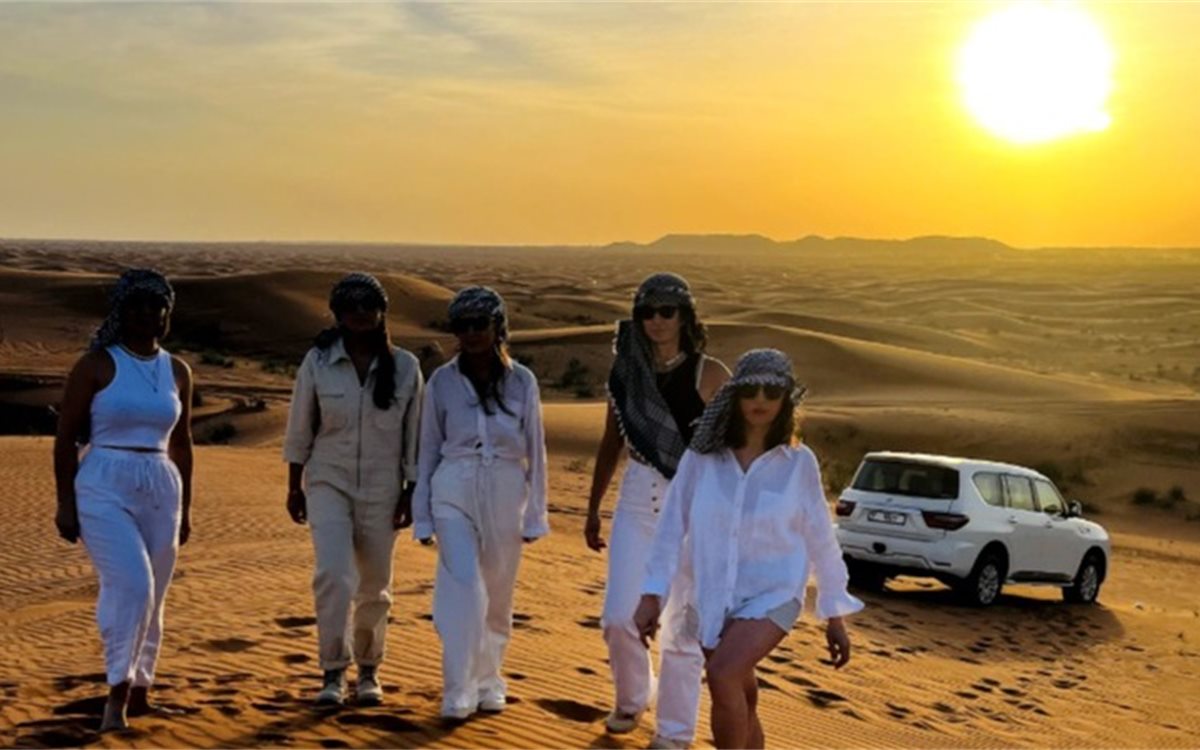
Also think about the time of day. A sunset safari is popular because the light changes quickly and the air can feel softer later in the day. Midday trips may be brighter and hotter, while evening departures can feel more atmospheric. The right timing depends on your tolerance for heat, your schedule and how much daylight you want for the drive.
Set your experience level before comparing options
Be honest about how comfortable you are with off-road driving. Sand behaves differently from a paved road. It can soften under the wheels, shift without warning and make steering feel heavier. Slopes look smoother from a distance than they feel up close. A route that seems manageable in photos can become demanding when dunes are steep or loose.
If you have never driven on sand, look for an option that explains what beginners can expect. Clear briefings, steady pacing and a route choice that avoids extreme sections are useful signs. If you are experienced, check whether the route has enough variety to hold your interest. A flat, repeated loop may be easy, but it can feel disappointing if you were expecting a proper dune crossing.
Pay attention to whether driving is shared or individual. Some setups expect one person to drive while others ride along. Others may allow each traveller to take a turn, subject to conditions. If driving matters to you, confirm this before committing. It is better to ask early than to arrive expecting to steer and find out that the plan is different.
Check the route, duration and meeting details
Once you know the style you want, compare the practical shape of the outing. Duration is more useful than a broad promise of a "full experience". A shorter ride may still feel full if the route is well paced. A longer trip can feel tiring if much of the time is spent waiting, transferring or repeating the same stretch of sand.
Ask what the route includes. Some trips focus on open dunes, while others mix desert driving with stops for photography or wildlife spotting. desert wildlife may be seen in some areas, but it should never be treated as guaranteed. A responsible operator will not promise close encounters or encourage chasing animals. The desert is a habitat, not a props table.
Meeting details also deserve attention. Check where the experience begins, how you get there and whether transport is part of the arrangement. If you are staying far from the departure area, travel time can shape the whole day. A well-matched trip should fit your plans rather than force a rushed start. When comparing details, aljazeeratours.com can be checked as one reference point while you look at the wider range of available options.
Review safety gear and supervision
Safety should be checked before comfort or extras. A dune buggy safari involves speed, dust, uneven ground and other vehicles. That does not mean it has to feel reckless. The difference is usually found in preparation, route control and clear rules.
Look for mention of safety gear such as helmets and seat belts. Ask whether the gear is provided and whether it is checked before the ride starts. A helmet that sits loose or a belt that does not fasten properly is not a small issue. If something feels wrong, say so before the vehicle moves. It is much easier to fix a problem at the start than during a ride.
Supervision matters too. A guided tour can help by setting the pace, choosing suitable lines through the dunes and keeping vehicles spaced. This is especially useful for newer drivers. Watch for whether the guide is expected to lead from the front, communicate by radio or stop to explain key points. Clear communication is a practical safety feature, not just a nice touch.
Do not try to repair mechanical or electrical problems yourself. Signs such as odd noises, weak braking response, warning lights or unstable steering should be reported to the responsible staff member straight away. Complex fixes are a job for a qualified professional. The same applies to any safety equipment that seems damaged or incomplete.
Understand the vehicle and what the ride feels like
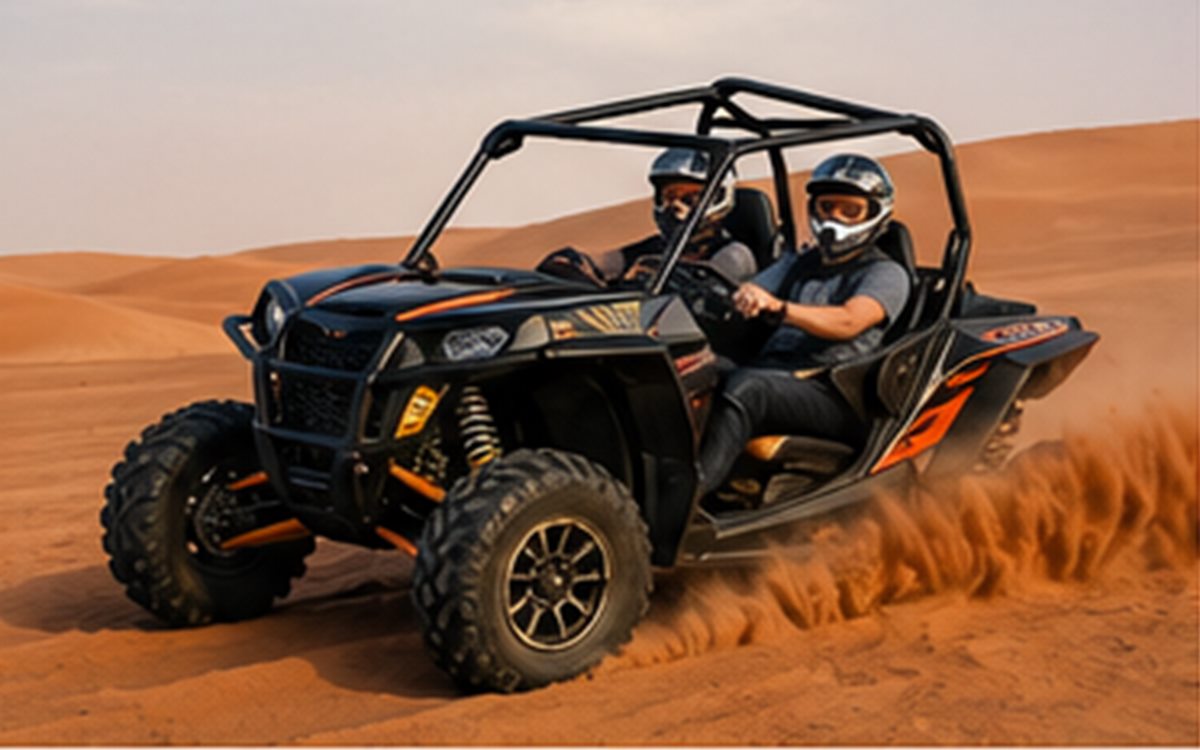
Not all buggies feel the same. Some are built for a more direct, sporty ride. Others are set up to feel steadier and easier to manage. Seating position, steering response, suspension and visibility all affect how relaxed you feel on sand. If you are tall, broad or travelling with children, confirm that the seating and harness setup will work for everyone before you book.
Ask whether passengers need any prior driving experience. If the vehicle is automatic, that may reduce the learning curve, but it does not remove the need for attention. Sand driving still requires smooth inputs, awareness of other vehicles and respect for slopes. Sudden turns and aggressive acceleration can quickly make the ride uncomfortable.
Also consider dust and noise. Some people find part of the appeal, while others dislike it. Closed eyewear, a face covering and breathable clothing can make a big difference. If you wear prescription glasses, think about how they will sit under a helmet. Small comfort choices often shape the day more than people expect.
Match the trip to your group
A solo traveller, a couple and a family with teenagers may all need different things. Group size changes the feel of the outing. A smaller group often feels calmer and allows more space between vehicles. A larger group may feel lively, but it can also mean more waiting and less room to move freely.
If children are joining, check age rules, seating arrangements and whether the route suits them. Do not assume that a family label means every part of the experience is gentle. Ask about the pace, the length of stops and how the guide handles mixed ability groups. For older travellers or anyone with mobility limits, boarding, seating and getting in and out of the buggy may matter as much as the drive itself.
Private and shared options involve a trade-off. Private outings can feel more flexible and focused, while shared trips may be easier to arrange and more social. Neither is automatically better. The right choice depends on whether you value space and control or a livelier group setting.
Look beyond the headline features
Many listings use similar words, so compare the details that affect the day. Read what happens after arrival, not just during the drive. Is there time to get comfortable before departure? Are rules explained in a way a first-timer can follow? Are stops built into the route, or does the schedule feel rushed?
Photography is another point to weigh. Some people want frequent stops, while others prefer uninterrupted driving. A sunset safari may place more emphasis on the changing light, so the pace might be slower at key moments. If your main goal is driving, too many photo stops can feel like a distraction. If your main goal is atmosphere, a route with pauses may feel more satisfying.
Use aljazeeratours.com as a starting point for comparison, then judge any option by the same practical questions: route, safety gear, supervision, vehicle fit, timing and group size. When those pieces line up, the choice becomes much clearer.
Make the final choice with a few careful checks
Before booking, run through the details one last time. Confirm the departure point, the length of the experience, what is included and what you need to bring. Check the cancellation and rescheduling terms so you know how plans are handled if the weather changes or your schedule shifts. Clear terms are a useful sign because they reduce confusion later.
Then think about your own limits. Heat, dust, noise and physical effort can affect enjoyment. Choose clothing that covers skin comfortably, secure eyewear and footwear that stays on your feet. Avoid carrying loose items that can fly out during the ride. Keep phones and small accessories secured or left out of the vehicle if there is no safe place for them.
A good dune buggy safari dubai choice should feel exciting without feeling careless. Take the time to match the route to your experience, check the safety setup and understand how the day is organised. Once those basics are settled, you can focus on the part that matters most: reading the dunes, enjoying the open desert and choosing a pace that feels right for you.